 English
-
English
-
 简体中文
简体中文
-
 Русский
-
 Español
-
 Français
-
 Deutsch
-
 日本語
日本語
MENU
English
-
English
-
简体中文
-
Русский
-
Español
-
Français
-
Deutsch
-
日本語
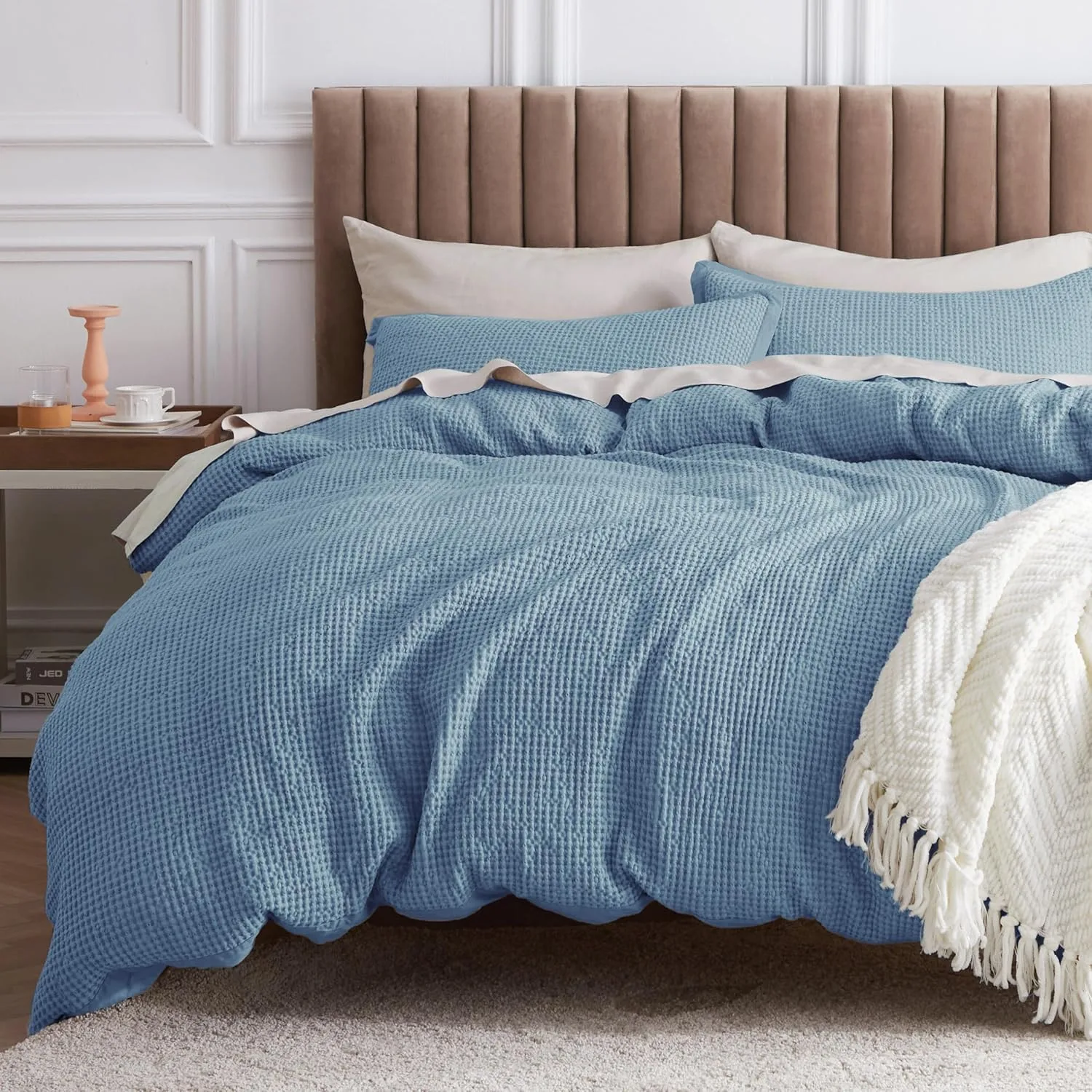


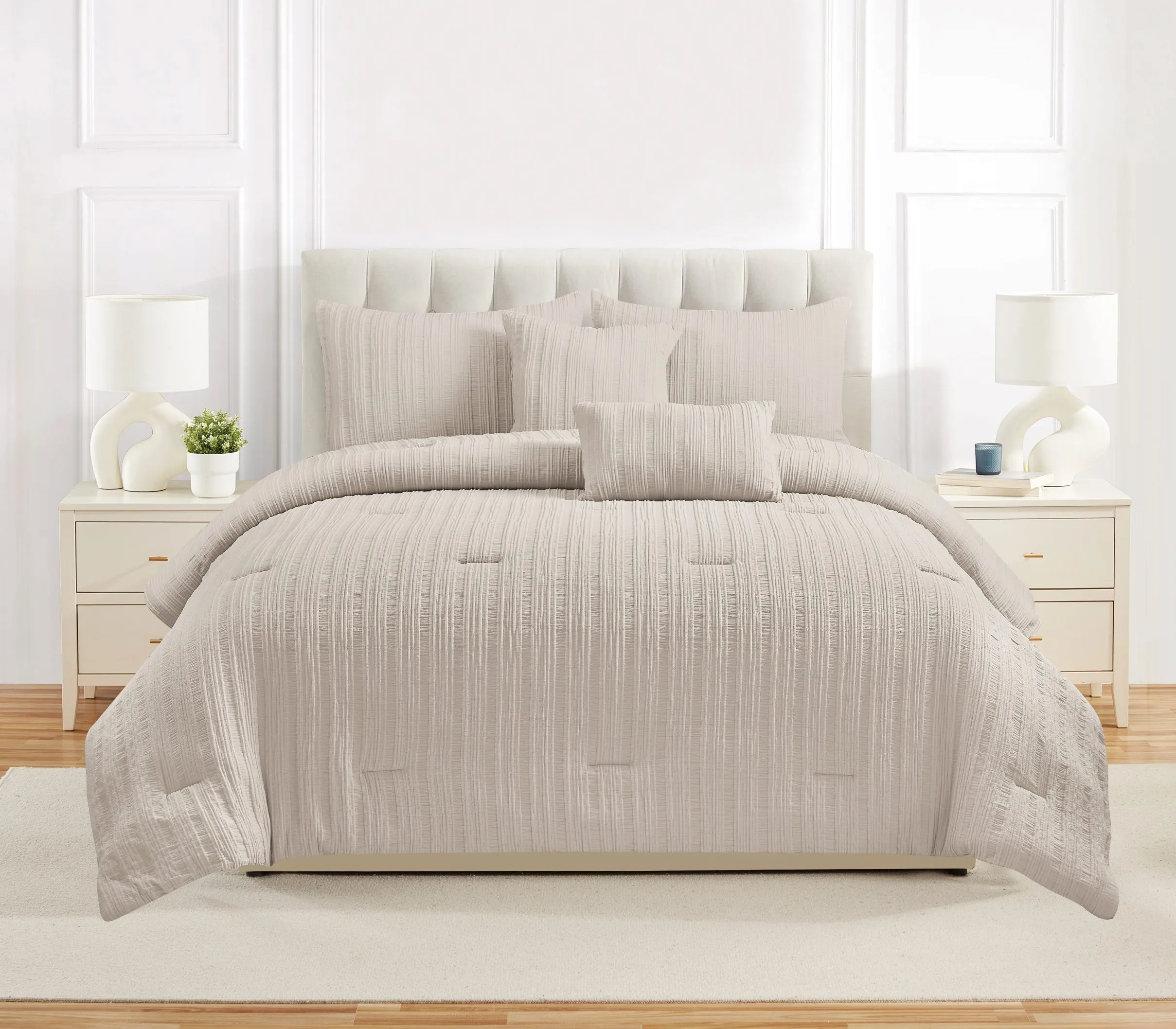
Bedding Set OEM vs ODM: Which Is Right for Your Business?
The global home textile market continues to evolve as brands, retailers, wholesalers, hotels, and e-commerce sellers seek differentiated products and more resilient supply chains. As competition intensifies, selecting the right manufacturing model becomes a critical business decision.
When sourcing a home bedding set, buyers often face a fundamental question: Should they choose an OEM Bedding Set solution or an ODM model?
The answer depends on your business goals, budget, branding strategy, product development capabilities, and target market.
This comprehensive guide explains the differences between OEM and ODM manufacturing, compares their advantages and disadvantages, and helps buyers determine which sourcing strategy best aligns with their business objectives.
For importers, distributors, retailers, and private-label brands, understanding the distinctions between OEM Bedding Set and ODM production can significantly impact profitability, product uniqueness, and long-term growth.
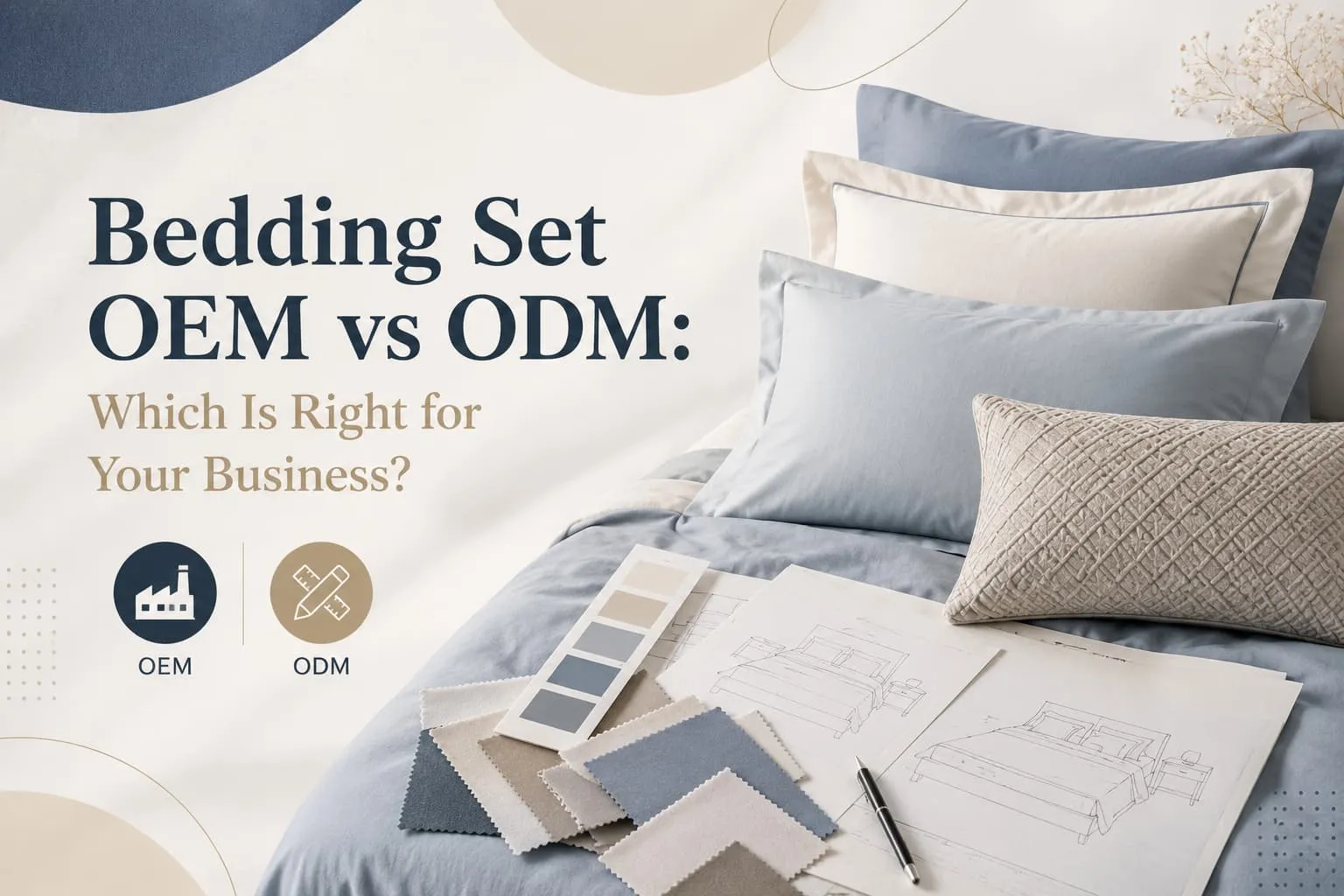
What Is an OEM Bedding Set?
An OEM Bedding Set (Original Equipment Manufacturer Bedding Set) refers to bedding products manufactured according to a buyer's specific requirements.
Under the OEM model, the buyer owns the product concept and specifications, while the manufacturer produces the products based on those requirements.
Typical customization options include:
-
Fabric selection
-
Thread count
-
Size specifications
-
Embroidery
-
Packaging design
-
Logo application
-
Color matching
-
Pattern development
An experienced bedding set manufacturer works closely with the buyer to develop products that reflect the buyer's brand identity and market positioning.
Key Features of OEM Bedding Set Production
| Feature | OEM Bedding Set |
|---|---|
| Product Design Ownership | Buyer |
| Brand Ownership | Buyer |
| Product Customization | High |
| Development Time | Longer |
| Initial Investment | Higher |
| Market Differentiation | Strong |
For companies seeking unique product offerings, an OEM Bedding Set strategy often provides the greatest competitive advantage.
What Is ODM Bedding Manufacturing?
ODM stands for Original Design Manufacturer.
In this model, the manufacturer develops products and designs independently. Buyers select existing designs and sell them under their own brand.
Instead of creating products from scratch, businesses choose from a catalog of ready-made options.
Typical ODM services include:
-
Existing bedding collections
-
Standard packaging solutions
-
Pre-developed fabric combinations
-
Existing print designs
ODM is popular among:
-
Startups
-
Small importers
-
New e-commerce sellers
-
Regional distributors
Key Features of ODM Bedding Production
| Feature | ODM Bedding Set |
|---|---|
| Product Design Ownership | Manufacturer |
| Brand Ownership | Buyer |
| Product Customization | Limited |
| Development Time | Fast |
| Initial Investment | Lower |
| Market Differentiation | Moderate |
ODM allows businesses to launch products quickly with minimal development costs.
OEM Bedding Set vs ODM: Side-by-Side Comparison
Understanding the differences between these two models is essential before making a sourcing decision.
Comparison Table 1: Business Model Differences
| Criteria | OEM Bedding Set | ODM Bedding Set |
|---|---|---|
| Product Development | Custom | Pre-developed |
| Design Control | Full | Limited |
| Unique Product Offering | Excellent | Moderate |
| Speed to Market | Slower | Faster |
| Investment Level | Higher | Lower |
| Branding Potential | Excellent | Good |
For businesses focused on long-term brand building, an OEM Bedding Set often provides stronger differentiation.
Why More Brands Are Choosing OEM Bedding Set Solutions
The home textile industry has become increasingly competitive.
According to industry reports, private-label home textile products continue gaining market share as retailers seek higher margins and greater control over customer experience.
An OEM Bedding Set strategy helps businesses:
-
Build exclusive product collections
-
Improve brand recognition
-
Reduce direct price competition
-
Increase customer loyalty
-
Strengthen intellectual property protection
Consumers increasingly prefer distinctive products rather than generic designs found across multiple retailers.
Advantages of OEM Bedding Set Manufacturing
Complete Product Customization
The most significant benefit of an OEM Bedding Set is customization.
Buyers can control:
-
Fabric quality
-
Product dimensions
-
Stitching standards
-
Decorative details
-
Packaging design
This flexibility allows businesses to align products with market demands.
Comparison Table 2: Customization Capabilities
| Customization Area | OEM Bedding Set | ODM Bedding Set |
|---|---|---|
| Fabric Selection | Full Control | Limited |
| Packaging Design | Full Control | Partial |
| Color Development | Full Control | Limited |
| Pattern Design | Full Control | Existing Designs |
| Logo Integration | Full Control | Basic |
Stronger Brand Identity
Private-label brands increasingly use OEM Bedding Set production to create products unavailable from competitors.
This differentiation supports:
-
Premium pricing
-
Customer retention
-
Market positioning
Better Long-Term Profitability
Although development costs are higher initially, exclusive products often generate stronger margins over time.
Advantages of ODM Manufacturing
ODM remains an attractive option for many businesses.
Faster Product Launch
Because product development has already been completed, businesses can launch products much faster.
Comparison Table 3: Development Timeline
| Project Stage | OEM Bedding Set | ODM Bedding Set |
|---|---|---|
| Product Design | 2-8 Weeks | Not Required |
| Sample Development | 1-4 Weeks | Ready Sample |
| Testing | Required | Minimal |
| Production Start | Longer | Faster |
| Total Launch Time | 1-4 Months | 2-6 Weeks |
Lower Investment
ODM eliminates many development costs.
This is especially beneficial for:
-
New businesses
-
Market testing
-
Small-volume buyers
Reduced Risk
Businesses can test market demand before investing heavily in product development.
Which Businesses Should Choose OEM Bedding Set?
An OEM Bedding Set is ideal for businesses that prioritize brand growth and product uniqueness.
Best Fit Scenarios
Retail Brands
Retailers can create exclusive collections unavailable elsewhere.
Hotel Groups
Hotels often require custom specifications for bedding products.
E-commerce Brands
Online sellers benefit from differentiated products and stronger branding.
Bedding Set Wholesale Distributors
Large-scale distributors often choose OEM Bedding Set production to create proprietary product lines.
Which Businesses Should Choose ODM?
ODM is often suitable for:
-
New importers
-
Startup brands
-
Small retailers
-
Market testing projects
Comparison Table 4: Buyer Type Matching
| Buyer Type | OEM Bedding Set | ODM Bedding Set |
|---|---|---|
| Startup | Moderate | Excellent |
| Established Brand | Excellent | Moderate |
| Hotel Chain | Excellent | Good |
| E-commerce Seller | Excellent | Good |
| Distributor | Excellent | Good |
How to Select the Right Bedding Set Manufacturer
Choosing the right bedding set manufacturer is equally important as choosing between OEM and ODM.
A reliable manufacturer should demonstrate:
-
Strong production capacity
-
Quality certifications
-
Export experience
-
Stable supply chain
-
Product development expertise
Key Evaluation Criteria
Manufacturing Experience
Look for manufacturers with proven experience in:
-
Home textiles
-
International exports
-
Private-label production
Quality Certifications
Important certifications include:
-
ISO 9001
-
OEKO-TEX
-
BSCI
-
GOTS
-
Sedex
Customization Capabilities
For OEM Bedding Set projects, assess:
-
Fabric sourcing capability
-
Design support
-
Sample development efficiency
-
Packaging customization
Bedding Set Supplier vs Bedding Set Manufacturer
Many buyers mistakenly assume these are identical.
Comparison Table 5: Supplier vs Manufacturer
| Factor | Bedding Set Supplier | Bedding Set Manufacturer |
|---|---|---|
| Own Production Facility | Not Always | Yes |
| Product Control | Limited | Direct |
| Cost Efficiency | Lower | Higher |
| OEM Support | Varies | Strong |
| Product Development | Limited | Comprehensive |
Working directly with a bedding set manufacturer generally provides better customization and cost control.
Emerging Trends Influencing OEM Bedding Set Sourcing in 2026
Several trends are reshaping sourcing decisions.
Sustainable Bedding Products
Demand for:
-
Organic cotton
-
Bamboo fiber
-
Recycled materials
continues to grow globally.
Smart Manufacturing
Advanced factories increasingly use:
-
Automated cutting systems
-
AI quality inspection
-
Digital production management
The same precision engineering principles used in industries producing industrial steel chimney systems and Stainless steel industrial components are increasingly applied to home textile manufacturing to improve consistency and efficiency.
Personalized Home Products
Consumers increasingly seek:
-
Personalized bedding
-
Customized colors
-
Unique patterns
This trend strongly favors OEM Bedding Set production.
Luxury Home Bedding Growth
The premium home bedding set segment continues expanding as consumers invest more in sleep quality and home comfort.
Buyer Guide: How to Decide Between OEM and ODM
Follow this step-by-step framework.
Step 1: Define Your Business Goal
Ask yourself:
-
Are you building a long-term brand?
-
Are you testing a new market?
Step 2: Assess Your Budget
OEM requires:
-
Product development
-
Sampling
-
Design investment
ODM requires less upfront capital.
Step 3: Evaluate Competitive Pressure
Highly competitive markets often benefit from OEM differentiation.
Step 4: Determine Required Customization
If unique products are essential, choose an OEM Bedding Set strategy.
Step 5: Select a Reliable Manufacturing Partner
Choose a manufacturer capable of supporting your future growth.
FAQ
1. What is an OEM Bedding Set?
An OEM Bedding Set is produced according to a buyer's custom specifications and branding requirements.
2. What is the main difference between OEM and ODM?
OEM involves custom product development, while ODM uses existing manufacturer-developed products.
3. Is OEM more expensive than ODM?
Generally yes, because OEM includes design, development, and customization costs.
4. Which model offers better brand differentiation?
An OEM Bedding Set provides significantly stronger differentiation.
5. Can startups use OEM production?
Yes, but ODM may be more cost-effective during early-stage market testing.
6. What is the typical MOQ for OEM Bedding Set projects?
MOQ varies by manufacturer but typically ranges from 300 to 1,000 sets per design.
7. How long does OEM product development take?
Most projects require 4–16 weeks depending on complexity.
8. Can OEM manufacturers create custom packaging?
Yes. Packaging customization is a standard OEM service.
9. Are OEM products more profitable?
They often achieve higher margins because of exclusivity and reduced price competition.
10. How do I find a reliable bedding set manufacturer?
Evaluate certifications, factory audits, production capacity, export experience, and customer references.
11. Can a bedding set supplier provide OEM services?
Some suppliers can coordinate OEM projects, but direct manufacturers usually offer better control and pricing.
12. Is ODM suitable for large brands?
Large brands typically prefer OEM to maintain exclusivity and strengthen brand identity.
Conclusion
Choosing between OEM and ODM depends on your business objectives, available resources, and long-term growth strategy. If your goal is rapid market entry with minimal investment, ODM may be the most practical option. However, if you aim to build a distinctive brand, improve margins, and create exclusive products, an OEM Bedding Set strategy is often the superior choice.
As global competition in the home bedding set industry intensifies, more brands are partnering directly with experienced bedding set manufacturer companies to develop high-quality Custom Bedding Set collections. By carefully evaluating customization needs, budget constraints, and market positioning, businesses can select the sourcing model that delivers the greatest competitive advantage and sustainable growth.